


Key Takeaways
- Calculate your annual carrying costs and compare them with realistic rental income after management service charges, vacancy, and repairs to understand the financial trade-offs.
- Confirm your insurance coverage before leaving a property vacant or converting it to a rental, since each situation may require different protection.
- Account for coastal storms, humidity, and well or septic system maintenance when deciding how to protect a home in Virginia’s Northern Neck and Middle Peninsula.
- If you plan to rent, review mortgage terms, HOA restrictions, and applicable local requirements before preparing the property for residents.
- If you keep the home vacant, arrange regular inspections and designate someone who can respond quickly to leaks, storm damage, and other emergencies.
Maybe you inherited a house on the Northern Neck. Maybe you moved away for work and kept your home on the Middle Peninsula. Maybe you bought a place near the water, plan to retire there someday, and are not ready to move yet.
Whatever the reason, you now own a home that sits empty, and you face a question that many owners put off: should you rent it out, or leave it vacant?
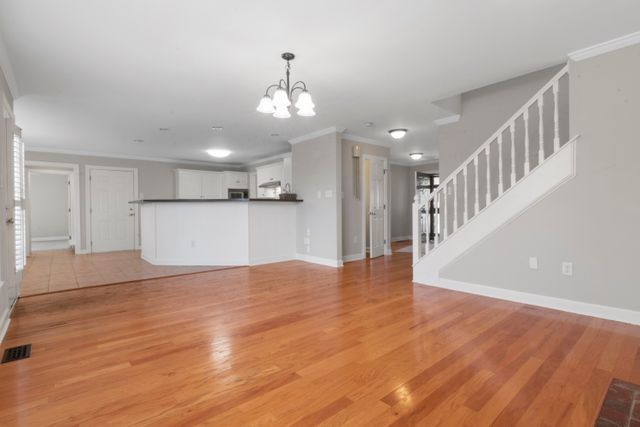
Leaving a home empty can feel like the safe choice. There are no residents to worry about, no wear and tear, and no landlord responsibilities. But a vacant home is not free, and it is not risk-free.
This guide from Real Property Management Regions compares renting a home with leaving it vacant, covering the costs, the risks, the legal and insurance issues, and the practical steps involved. It is written for owners in Virginia’s Northern Neck, Middle Peninsula, and Caroline County, and it is general information. Confirm current requirements with a qualified professional.
What a Vacant Home Really Costs
An empty house still generates bills. Mortgage payments, property taxes, insurance, utilities to keep systems safe, lawn care, and maintenance continue every month, while no income comes in. Over a year, those costs can add up to thousands of dollars. Vacancy also carries costs you do not see on a bill:
- Insurance restrictions. Many standard policies limit or exclude coverage after a home has been vacant for a set period, often 30 to 60 days. Claims for vandalism, water damage, or theft can be denied.
- Undetected damage. A slow leak, a failed sump pump, or a storm-damaged roof can go unnoticed for weeks.
- Pests and mold. Humid coastal conditions encourage mold, mildew, termites, and rodents in unoccupied homes.
- Break-ins and vandalism. Vacant properties attract unwanted attention.
- Curb appeal and neighborhood relations. An unkempt vacant house can frustrate neighbors and may trigger code complaints.
- System deterioration. HVAC, plumbing, and appliances can deteriorate without regular use.
The Case for Renting
If you’re leaning towards renting out your property, here are some of the main factors to consider.

- Income. Rent can cover or exceed carrying costs and may produce positive cash flow.
- Occupancy protects the home. A resident notices problems early, keeps systems running, and deters break-ins.
- Equity growth. Rent payments help pay down your mortgage while you keep the property.
- Appreciation. You continue to hold the asset.
- Tax advantages. Rental expenses and depreciation may offset income, subject to current tax rules.
- Flexibility. You can keep the home for your own future use, sell later, or continue renting.
The Case for Leaving It Vacant
There are legitimate reasons to hold a home empty for a period. You may plan to move back soon, intend to renovate or sell, need time to settle an estate, or simply want to avoid the responsibilities of being a landlord. If the home is a seasonal getaway that you use regularly, vacancy during parts of the year may be unavoidable.
In those cases, the key is to protect the home properly: proper insurance, regular inspections, and a plan for maintenance. A completely unattended, indefinite vacancy is rarely the best choice.
Run the Numbers
To compare the two options, estimate your annual carrying costs: mortgage, taxes, insurance, utilities, maintenance, and lawn care. Then estimate what the home could rent for, using current comparable rentals. Subtract management service charges, vacancy allowance, and repair costs, and compare the result with the vacant scenario.

In many cases, rent covers most or all of the carrying costs, which turns a pure expense into a self-supporting asset. If your numbers show a gap, you may still decide renting is better, because it protects the home and builds equity.
Insurance: The Hidden Trap
Insurance is the issue that surprises many owners. Standard homeowner policies often limit coverage if a home is unoccupied beyond a certain period. If a pipe bursts or a storm damages the roof while the house sits vacant, a claim may be reduced or denied. Vacant-dwelling policies exist but can be expensive and may have restrictions.
If you plan to rent, you will need a landlord or dwelling policy designed for rentals. Speak with your insurance agent early, explain your plans honestly, and make sure the coverage matches how the property is used.
Coastal and Rural Considerations
Virginia‘s Northern Neck and Middle Peninsula are known for waterfront homes, rural properties, and small communities. Those features bring distinct concerns. Coastal storms, flooding, and wind damage can affect vacant homes especially hard because no one is there to respond quickly.
Humidity encourages mold. Rural properties may have wells and septic systems that need regular use and maintenance, and they can be damaged by long periods of inactivity. A resident, or a manager who inspects regularly, helps protect against these problems.
Consider what happens during a typical storm season. A heavy rain event can overwhelm gutters, push water into a crawl space, or bring down a tree limb onto the roof. In an occupied home, a quality resident notices a drip within hours and calls for help.

In a vacant home, the same leak can run for weeks before anyone knows, and by then the repair can involve flooring, drywall, insulation, and mold remediation. The difference between a small repair bill and a very large one is often simply whether someone was there to notice.
What It Takes to Rent
Renting a home involves several steps:
- Check your mortgage, HOA, and local rules.
- Buy appropriate landlord insurance.
- Inspect the property and make repairs.
- Clean and prepare the home to a rent-ready standard.
- Price the rent using current comparables.
- Market the home and screen applicants.
- Use a compliant lease and complete a move-in inspection.
- Manage rent, maintenance, and renewals.
If You Leave It Vacant: Protect It
If you decide to keep the home empty for a time, do it carefully:
- Confirm your insurance coverage in writing.
- Arrange regular inspections inside and out.
- Keep utilities on as needed, and set the heat and cooling to safe levels.
- Shut off the main water if the home will be unused for long periods, if appropriate.
- Keep the lawn and exterior tidy.
- Collect mail and packages.
- Use lighting timers and security measures.
- Make sure a local contact can respond to emergencies.
Bottom Line
A local manager can price the home accurately, market it, screen applicants, handle the paperwork, and respond when something goes wrong. Real Property Management Regions is a veteran-owned, women-led company, part of the Neighborly family of brands, serving owners across Virginia’s Northern Neck, Middle Peninsula, and Caroline County.
We offer a free rental property evaluation with rent estimates, comparables, and local market data, plus an optional free walk-through of the property to set expectations and suggest rent-ready maintenance. We’re ready to help you grow your portfolio.
Frequently Asked Questions About Renting Out Your Home vs. Leaving It Vacant
Is Renting Out a Home More Profitable Than Leaving It Vacant?
Renting may be more financially beneficial, but the outcome depends on your property’s rental potential and ongoing expenses. Start by estimating annual rent based on comparable properties in your area, then subtract mortgage payments, taxes, insurance, property management service charges, maintenance, and an allowance for vacancies and repairs.
Compare the result with the cost of keeping the home empty. Also consider your long-term plans, including potential appreciation and whether you may want to sell or move back. A rental property evaluation can help you determine whether renting makes financial sense.
How Does Renting Out a Home Affect Your Insurance in Virginia?
Converting a primary residence into a rental or leaving it vacant may affect your existing insurance coverage. Before making either decision, contact your insurance agent to discuss the property’s intended use, how long it will be empty, and any relevant coverage exclusions. You may need a landlord policy for a rental or specialized coverage for a vacant dwelling.
What Legal Requirements Should Virginia Homeowners Check Before Renting Out a Property?
Before leasing your home, review your mortgage agreement, homeowners association rules, and applicable county or municipal requirements. Virginia’s Residential Landlord and Tenant Act governs many residential rental arrangements, but its applicability depends on the circumstances.
Owners should also understand relevant lease requirements, property maintenance obligations, and required disclosures or notices. If the home is part of an estate or jointly owned, confirm that you have the necessary authority to rent it.
How Can Owners Protect a Vacant Home From Storm Damage and Moisture?
Owners who leave a home vacant in Virginia’s Northern Neck or Middle Peninsula should establish a property protection plan before leaving it unattended. Arrange regular interior and exterior inspections, maintain gutters and drainage, and ensure heating and cooling systems are set appropriately for the season.
Identify a local contact who can respond to leaks, fallen trees, or storm damage. For waterfront or flood-prone properties, review the property’s specific exposure and insurance coverage. Homes with private wells or septic systems may also require specialized maintenance to protect the equipment and water supply.
What Should Owners Do Before Listing a Home for Rent?
Begin with a thorough assessment of the property’s condition and the work needed to make it ready for occupancy. Address maintenance issues, check major systems, clean the home, and identify any safety concerns. Next, research comparable rentals in the local market to establish a realistic asking rent and prepare a budget for ongoing expenses.
This content is provided for general informational and educational purposes only and does not constitute financial, legal, tax, or investment advice. Readers should consult with licensed professionals regarding their specific circumstances.
We are pledged to the letter and spirit of U.S. policy for the achievement of equal housing opportunity throughout the Nation. See Equal Housing Opportunity Statement for more information.
