

A River Before Roads
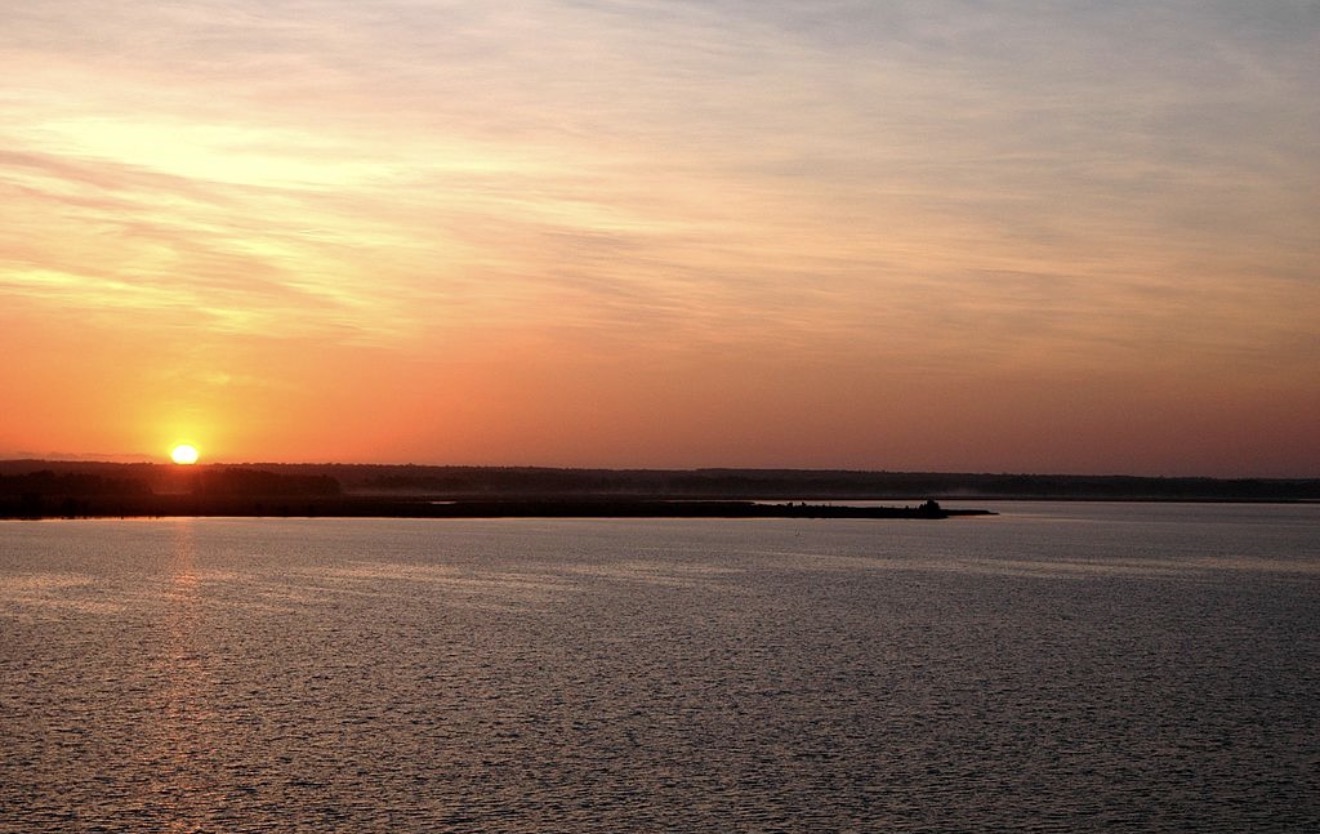
In early Virginia, overland travel was slow and often difficult. Rivers, by contrast, offered reliable passage. The Rappahannock functioned as a natural highway, allowing people, goods, and ideas to move efficiently through the region.
Indigenous communities lived and traveled along the river for generations before colonial settlement. Later, European settlers followed the same logic, building communities where the river bent, deepened, and allowed ships to dock. Geography wasn’t just a backdrop, it was the blueprint.
According to the National Park Service, the Rappahannock River corridor represents a significant Indigenous and early colonial cultural landscape, stretching from the Port Royal area to Urbanna and beyond.
External source: National Park Service – Chesapeake Bay (Cultural Landscape context)
The River as an Economic Engine
For much of Virginia’s early history, the Rappahannock powered regional commerce. Tobacco, grain, timber, and other goods traveled from inland farms to river ports, then outward to domestic and international markets.
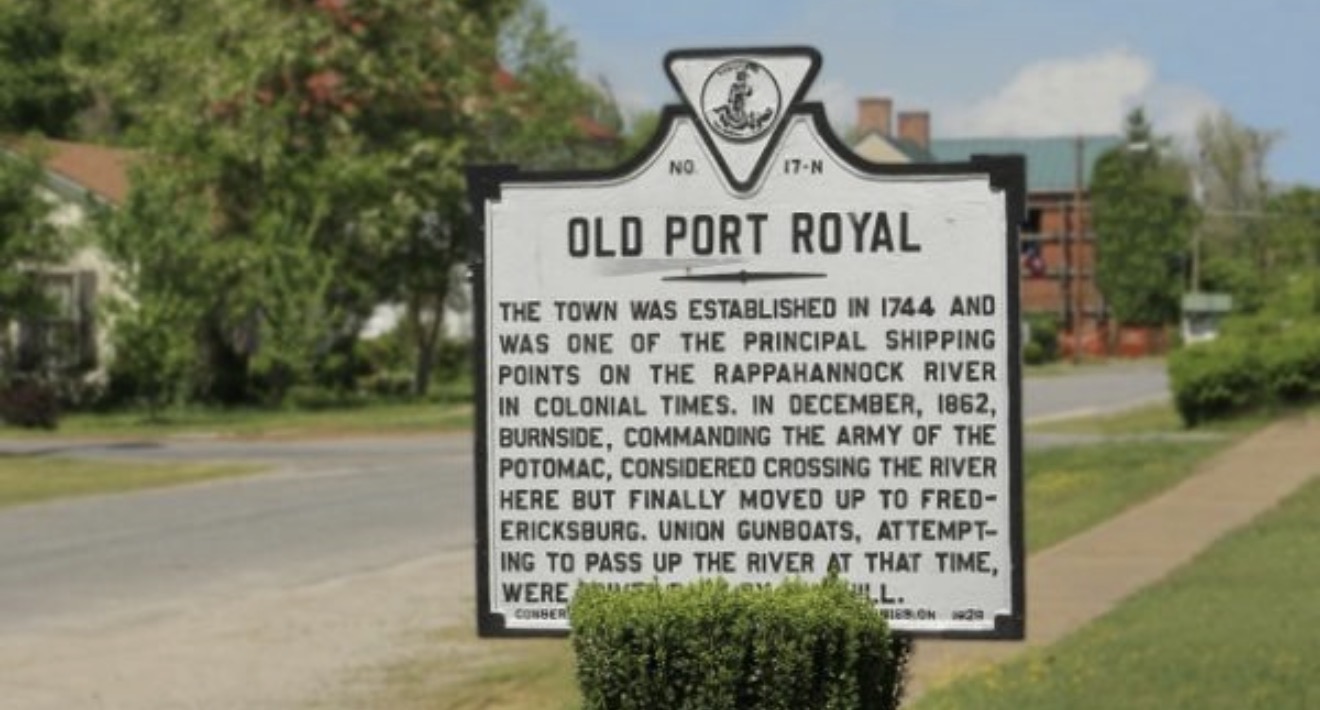
Towns such as Tappahannock, Urbanna, and Port Royal developed precisely where river access made trade possible. Port Royal, established in 1744, became one of colonial Virginia’s most important tobacco ports before declining with the rise of railroads.
External source: Virginia Department of Historic Resources – Port Royal (Historic District)
This pattern, towns emerging where water met opportunity, remains visible today in settlement layouts, historic districts, and waterfront infrastructure.
How the River Shaped Communities
The Rappahannock didn’t divide the Northern Neck and Middle Peninsula, it connected them. For generations, ferries carried people across the river, linking communities long before bridges existed. On the lower Rappahannock, this remained true until the Norris Bridge opened in 1957, replacing the long-running state ferry between White Stone and Grey’s Point.
Communities on both shores shared commerce, labor, and culture. Daily life followed the rhythms of tides and seasons rather than rigid schedules. That slower cadence became part of the region’s identity, a characteristic still felt today.
This deep sense of place echoes themes explored in
The Ghost on the Rappahannock: Where History Still Whispers in the Tide
,
where the river’s past continues to shape the present.
Work on the Water
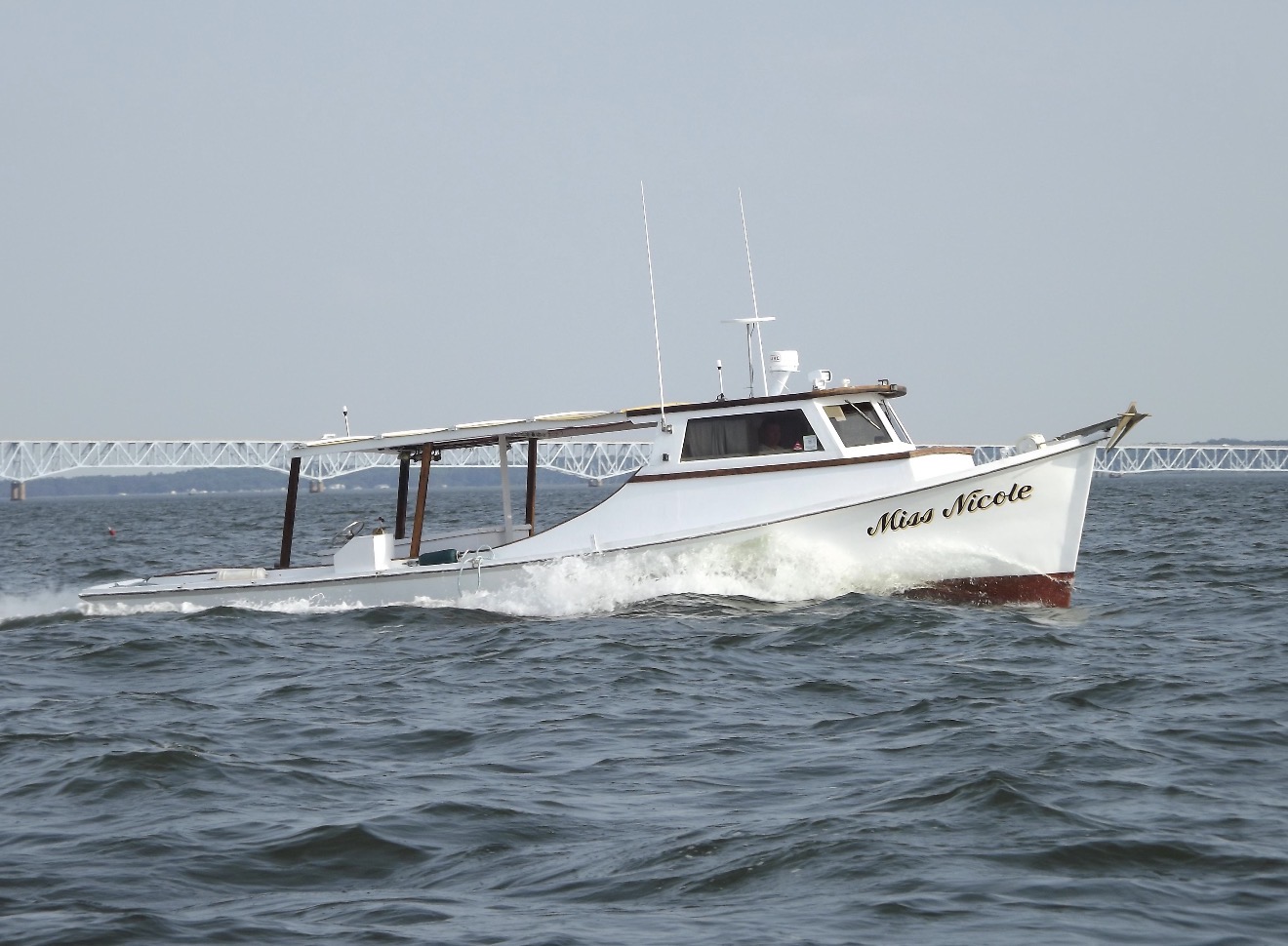 For centuries, the river sustained livelihoods that required skill, endurance, and generational knowledge. Fishing, oystering, crabbing, and shipping were not side industries, they were the backbone of families and towns.
Knowledge passed quietly from parent to child: how to read the water, respect the seasons, and work with nature rather than against it. The river rewarded patience and punished shortcuts.
These working traditions shaped a culture rooted in stewardship, a theme deeply embedded in coastal Virginia’s history and still visible today.
Culture, Gathering, and Daily Life
The river was also a gathering place. Docks, ferries, and shoreline markets served as social hubs. News, goods, and ideas traveled by water along with people.
Life along the Rappahannock moved at a different pace, one shaped by tides rather than traffic. That rhythm fostered tight-knit communities and a strong sense of continuity that distinguishes the region even now.
Change Over Time
As roads improved and bridges replaced ferries, the river’s role evolved. Freight shifted to trucks. Commuting patterns changed. Some towns grew; others grew quieter.
But adaptation never meant abandonment. The river remained, as a boundary, a resource, and a constant presence. Communities adjusted around it rather than away from it.
Organizations such as Friends of the Rappahannock continue conservation and education efforts to ensure the river’s health for future generations.
External source: Friends of the Rappahannock
The River Today
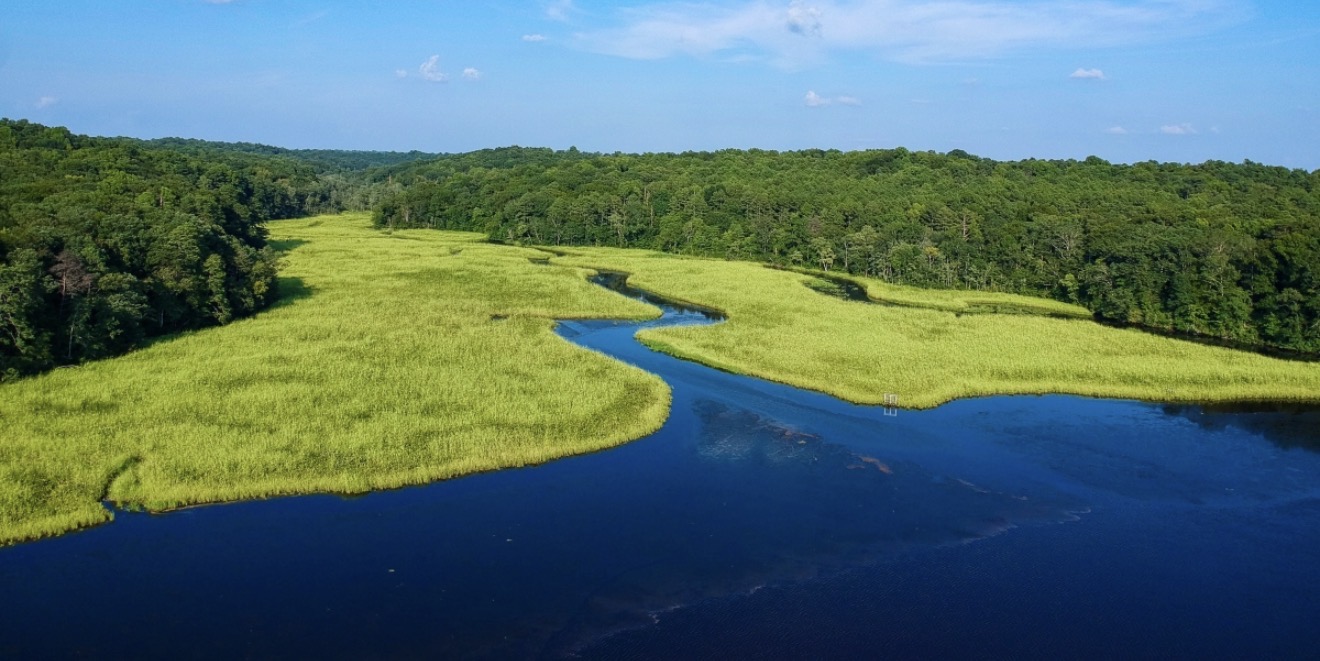 Today, the Rappahannock supports recreation, conservation, tourism, and daily life. Kayakers share the water with working boats. Families gather along its banks. The river still influences where people live, how towns grow, and why waterfront and near-water communities remain so enduring.
Its presence reinforces a lesson the region has always known: lasting communities are built slowly and cared for deliberately.
Why the Rappahannock Still Matters
The Rappahannock River reminds us that patience, stewardship, and long-term thinking are not modern inventions, they are foundational values. Understanding the river is understanding the region itself: why towns exist where they do, why people stay, and why this part of Virginia continues to value continuity over speed.
A Quiet Closing
Stories like the Rappahannock River remind us that places with history deserve care, respect, and thoughtful stewardship. Across the Virginia Northern Neck, Virginia Middle Peninsula, and Caroline County, that mindset continues to shape how communities, and homes, are cared for today.
For more stories rooted in local history and community identity, explore our growing library of regional spotlights on the
👉 RPM Regions Blog.
This content is provided for general informational and educational purposes only and does not constitute financial, legal, tax, or investment advice. Readers should consult with licensed professionals regarding their specific circumstances.
We are pledged to the letter and spirit of U.S. policy for the achievement of equal housing opportunity throughout the Nation. See Equal Housing Opportunity Statement for more information.
