

The Calm Owner Advantage
By Stephen Guasp
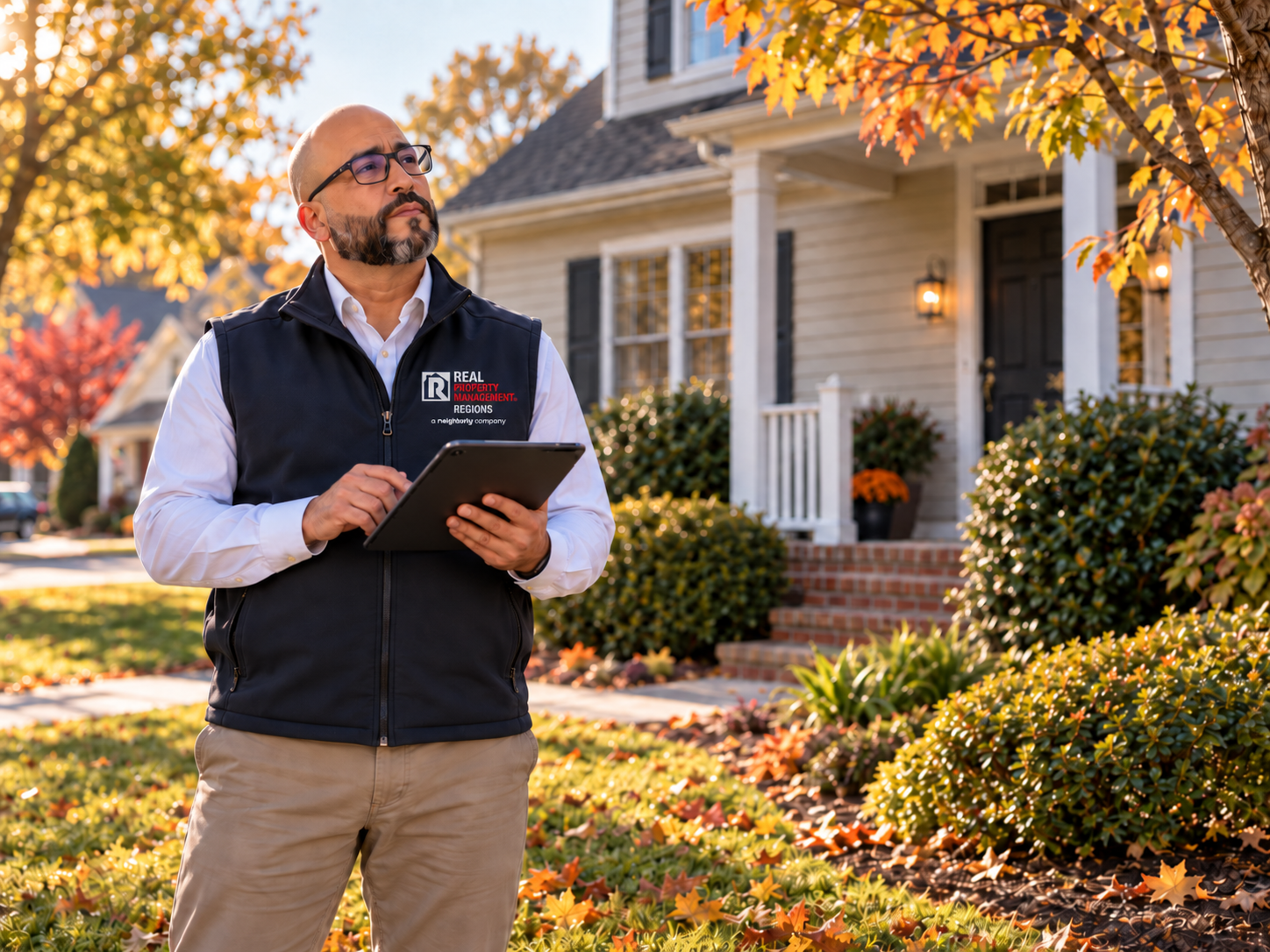
Every year around this time, the conversation around rental property starts to change. The summer leasing push begins to slow down, temperatures start dropping, heating systems matter again, and lease expirations that seemed far away a few months ago suddenly do not feel very far away.
For owners, I think this is one of the better times of the year to look at the property a little differently. Not just at whether the rent came in this month or whether there is an open maintenance request, but at what the next six months may look like.
That has really been one of the themes throughout The Calm Owner Advantage. A rental property is still an asset when everything seems quiet. Some of the better decisions we make happen before something becomes urgent.
A Rented Property Still Needs Attention
When a house is occupied and the rent is coming in, it is easy to feel like everything is fine. Sometimes it is. But the rent payment does not tell us everything happening with the property itself.
Exterior wood may be starting to deteriorate. Drainage may need attention. The HVAC may still be doing its job but getting to an age where we at least need to have it on our radar. The resident may be doing a great job taking care of the home, but the lease could expire at a time of year that makes the next vacancy more difficult if they decide not to renew.
None of that means the owner needs to immediately start spending money.
I think this is where our approach can sometimes feel different, particularly for owners who are used to a style of property management where very little was discussed unless something had already broken.
When we point something out, we are not automatically saying, “Fix this today.” Some things need attention now. Others belong in next year’s plan. Some are better handled during turnover, and some simply need to be documented and watched.
Our job is not to make every rental property perfect. It is to help owners understand what the property needs, what can reasonably wait, and what happens if we wait too long.
That gives the owner choices. If we identify an exterior issue early, there may be time to get the right contractor involved, understand the actual scope and decide when it makes sense to do the work. Once water is coming into the house, we are no longer planning. We are reacting.
The same applies to a major system such as HVAC. I am not suggesting replacing a working system just because it has some age on it. I do want the owner to know what they have so that if the system begins giving us trouble, we are not having our first conversation about it after the heat goes out on a cold weekend.
ENERGY STAR recommends having heating systems checked before the winter season, when contractors are generally easier to schedule than after cold weather arrives.
And, of course, some maintenance is not optional. Virginia law requires landlords to maintain supplied electrical, plumbing, heating, ventilation, air-conditioning and other facilities in good and safe working order.
The Lease Is Part of the Strategy
Fall planning is not only about the physical condition of the house. The lease deserves the same attention.
When does it expire? How has the resident performed? Where does the current rent sit compared with the market? Is there work we already know would be easier during a future turnover? If the resident leaves, what time of year will we be putting that property back on the market?
A lease ending in November in Caroline County, the Northern Neck or the Middle Peninsula can create a different conversation than one ending in May.
That does not mean a winter expiration is automatically a problem. It means we should understand the timing early enough to make a deliberate decision. A longer renewal may make sense. Keeping a strong resident at a reasonable rent may make more sense than chasing the highest possible number. We have talked before about why the highest rent does not always produce the best return. A planned turnover may also create an opportunity to complete work that would be difficult with the home occupied.
There is no one answer that fits every house. That is why managing a property involves more than sending a renewal notice when the calendar tells us it is time.
I Know Vacancy Is Hurting Right Now
I also want to speak directly to owners who currently have vacant properties, including some of our own clients.
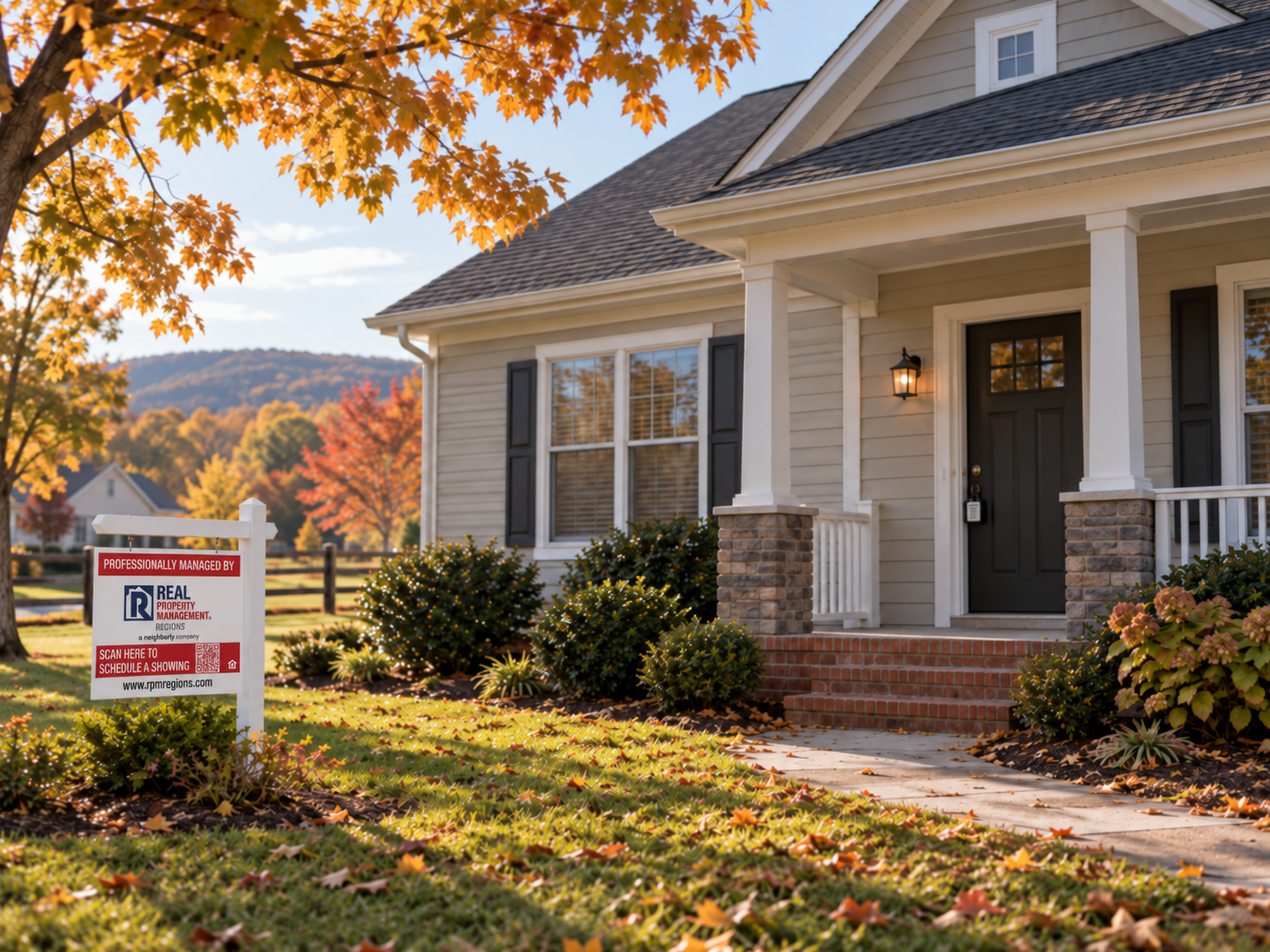
We have good properties that are taking longer to lease than any of us would like. Every additional week matters when the mortgage, insurance, utilities and other expenses are still going out while no rent is coming in. I understand the frustration, especially when an owner feels like the property is in good condition and they have already done what they were supposed to do.
I see it.
This is also where we have to separate understandable frustration from strategy.
The market has been difficult to read week to week. That is especially true in some of the smaller and more rural markets we serve throughout Caroline County, the Northern Neck and the Middle Peninsula. As we discussed in our September Virginia Rental Market Report, broad numbers can give us context, but the individual property’s leasing signals often tell us much more.
A few inquiries can make one week look encouraging and the next week can be quiet. We may have several showings without an application, followed by an application later. Sometimes there simply is not enough activity in seven days to tell us that a real trend has developed.
I like giving owners frequent updates. But an update is only valuable if there is something valuable to say.
There are times when we need a little more activity before we can tell whether something has actually changed or whether we are simply looking at normal movement in a smaller market. That does not mean we are not watching the property. We are looking at where prospects are falling out of the process.
Are people seeing the listing but not scheduling a showing? Are they touring and deciding not to apply? Are applications coming in but not producing qualified applicants? How does the house compare with the other choices renters have at that moment? What changed after the last adjustment?
Those are different signals.
Sometimes the answer is a rent adjustment. Sometimes condition or presentation needs attention. Sometimes a change has already been made and needs enough time to show us whether it worked. And sometimes the property is positioned reasonably and we simply have to keep working through a slower period.
What I do not want to do is change something just so it looks like we are doing something. I also do not want to sit on the same strategy when enough information is telling us it is not working.
That balance can be difficult, especially when the vacant house belongs to you. But that is part of managing the property through the market we actually have, not the market we wish we had.
Doing Nothing Is Still a Decision
Owners naturally want to know what something is going to cost. I would ask the same question.
But there is another side to that conversation: what happens if we do nothing?
A small leak can become water damage. A drainage problem can eventually affect other parts of the house. A rental sitting vacant at a price renters are not accepting can cost more than the adjustment the owner was trying to avoid. That is the same principle we explored in The Cost of Waiting: delay has a cost too, even when that cost does not appear on an invoice.
At the same time, waiting can absolutely be the right decision. An older appliance that is working does not need to be replaced simply because it is old. A cosmetic project that does not improve safety, marketability or the property itself may not make sense today. Some work is better handled during turnover.
There is a difference between deciding to wait after evaluating something and waiting because nobody ever looked at it.
That same thinking applies to reserves. Every property eventually needs money put back into it. HVAC systems age. Appliances fail. Plumbing breaks. Flooring wears out. Trees need work. Turnovers cost money.
That does not mean the investment failed. It means we own a physical asset.
Reasonable reserves give an owner room to evaluate those expenses instead of treating every repair like an unexpected financial emergency. That is another reason monthly cash flow alone does not tell us how well a rental property is performing.
This Is the Part of Property Management People Do Not Always See
For most of The Calm Owner Advantage, we have talked about the asset-management side of rental ownership: pricing, vacancy, applicant quality, maintenance, cash flow and the decisions that affect long-term performance.

But somebody still has to turn the strategy into actual work.
Someone has to review the inspection, talk with the resident, call the contractor, question an estimate, follow up when the contractor does not show, determine responsibility, watch the leasing activity, look ahead at the lease expiration and notice when the same maintenance issue keeps coming back.
Most of property management is not very exciting. It is a lot of small decisions and follow-up.
When it is done well, sometimes the result is that nothing dramatic happens. The repair gets handled before it becomes a larger problem. The renewal is addressed before everyone is up against a deadline. The price gets adjusted based on what we are actually seeing instead of emotion. The owner knows about a future expense before it becomes an emergency.
That work is easy to overlook because much of it happens quietly.
But that is the work.
There is a difference between collecting rent and managing property.
Looking Ahead
As we move into fall, take a look at the entire property instead of only this month’s statement. Look at the lease, maintenance history, reserves, condition of the home, major systems and what is happening with the rental market around it.
Then look six months ahead.
What do you already know today that may become a decision later?
Maybe everything is exactly where it needs to be. That is useful information too. But if something is coming, I would rather know about it while there are still choices than discover it after circumstances have already decided the timing.
That is part of The Calm Owner Advantage.
As we finish this series and move into October, I want to spend more time on the actual property-management side of the business, not just what an owner should be thinking about, but what really happens behind the scenes to manage a rental property well.
Because having a strategy matters. Making that strategy work every day is property management.
Real Property Management Regions
Property management with an asset-management mindset.
This article is for general educational and informational purposes and is not legal, tax, financial, or investment advice.
This content is provided for general informational and educational purposes only and does not constitute financial, legal, tax, or investment advice. Readers should consult with licensed professionals regarding their specific circumstances.
We are pledged to the letter and spirit of U.S. policy for the achievement of equal housing opportunity throughout the Nation. See Equal Housing Opportunity Statement for more information.
